Discover our eLibrary with AI-Powered Search
Ask questions and get detailed, sourced answers from our digital library curated by Genius Saeculi. Explore thousands of articles, research papers, and expert insights.
1,000+ Articles
AI-Enhanced Search
Verified Sources
Open Access Content
Verified Open Access Sources, curated by Genius Saeculi
Featured Contents
Discover the latest insights from our curated collection

Urban Morphology
Economy & Development
Infrastructure
Articles
The Production of Space in the Informal Waste Economy
Waste Picking in the Tondo Manila Bay Area
This study explores the dynamics of the informal waste economy in an informal settlement in Tondo, Manila, highlighting its role in shaping urban form. While waste pickers significantly contribute to solid waste management (SWM) through the recovery, recycling, and diversion of waste, they are constantly exposed to harmful environments and substandard living conditions that remain unaddressed by formal systems and urban planning. Additionally, their impact on urban form is frequently sidelined, despite operating within SWM – an urban system that is inherently spatial. To examine the spatial outcomes of informal waste sector (IWS) activities, the research examines the historical and geographic context of the Vitas Temporary Housing Facility in Tondo, the agency and networks of its waste pickers, and the spatial outcomes of their activities. Findings reveal that the waste-picking community functions as an agglomerated informal economy operating as an informal materials recovery facility (MRF), with decentralized waste management activities integrated into residential and commercial spaces. This integration creates a unique urban landscape that highlights the need for sustainable, inclusive, and adaptive SWM solutions and urban planning strategies that consider the agency of waste pickers, the distribution of informal SWM functions within their networks, and the spatial organization of the urban environment they co-create within their communities.
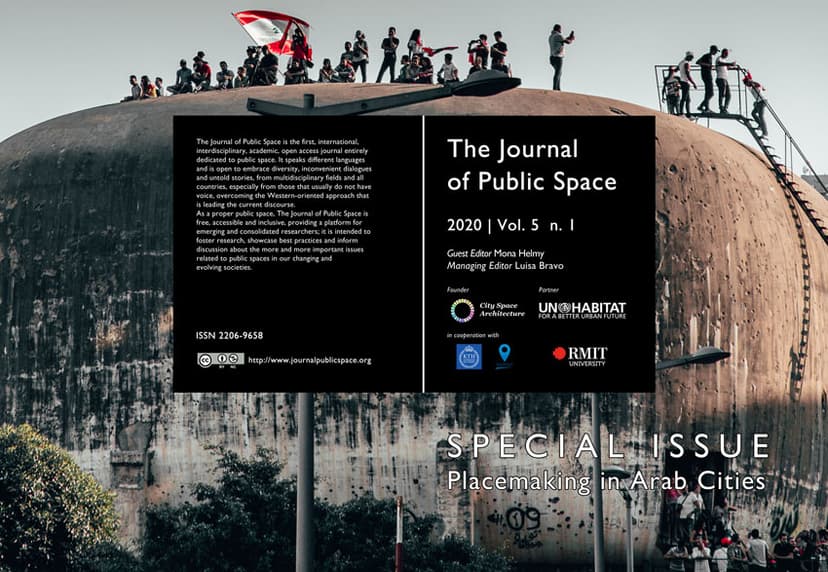
Vol. 8 No. 1 (2023): Research Perspectives
Keywords:
solid waste management, informal economy, urban morphology, waste picking
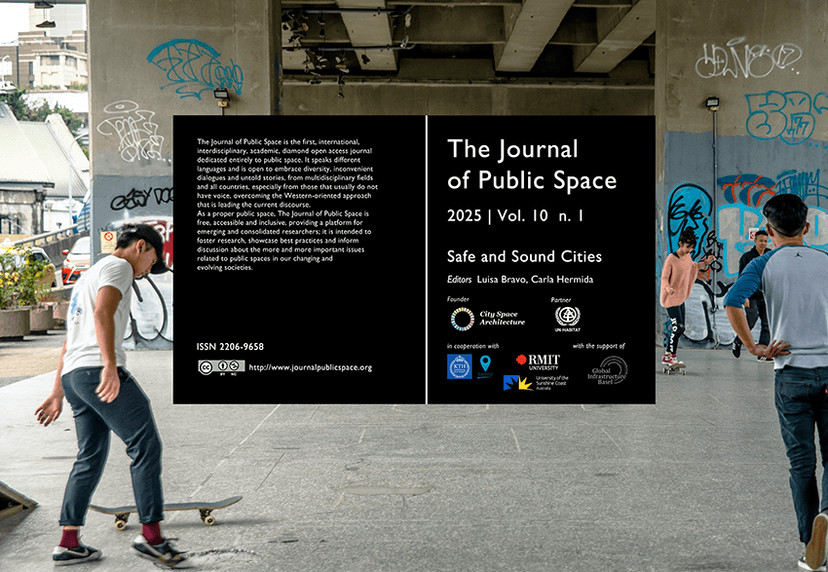
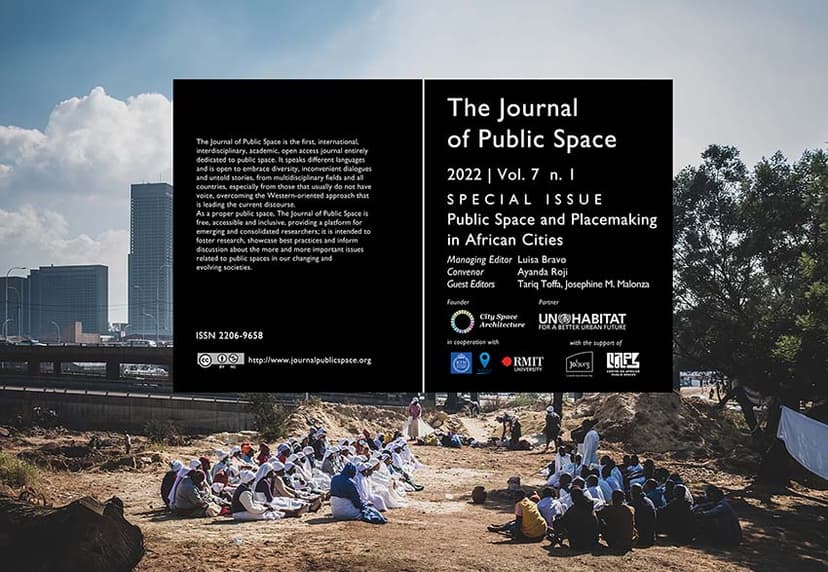
The Journal of Public Space
2 min read

Global
Selected Readings
Parks and Squares: 20 Public Space Designs
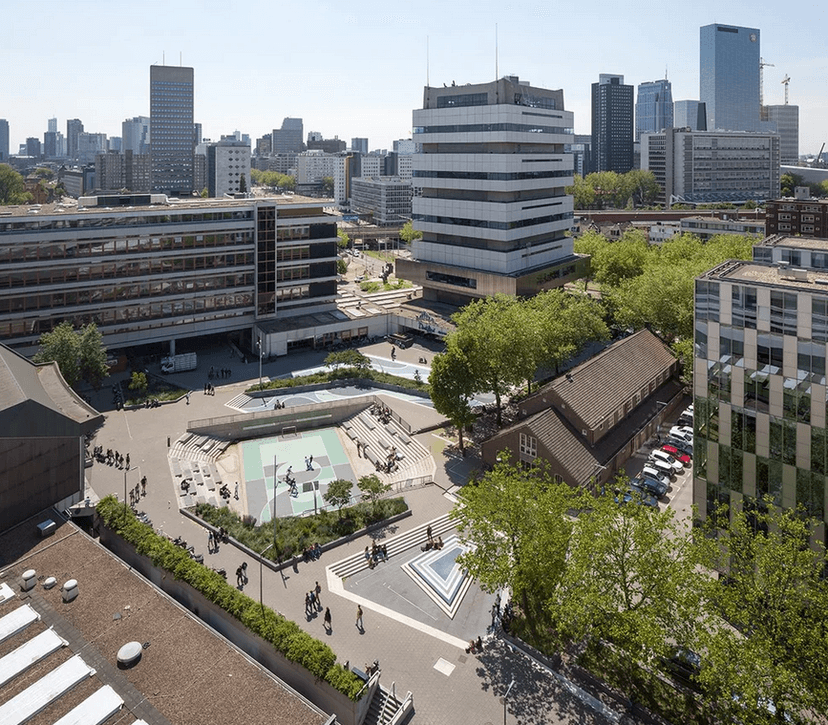
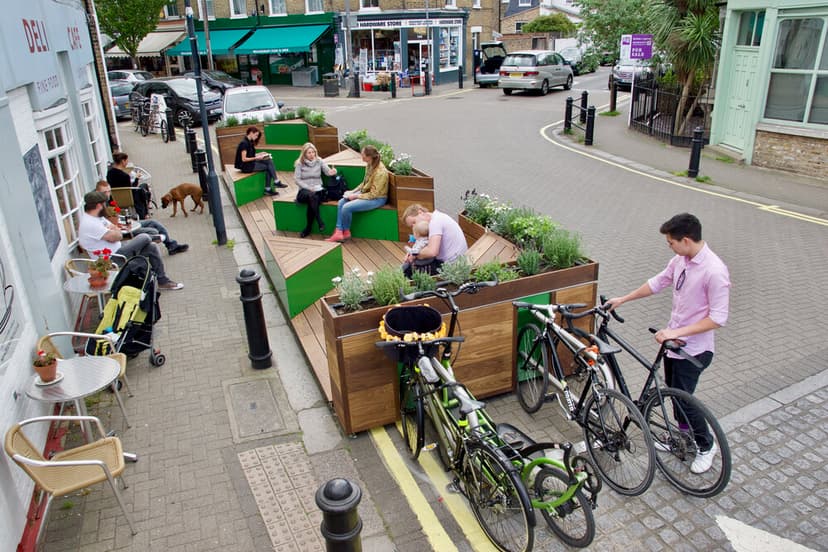
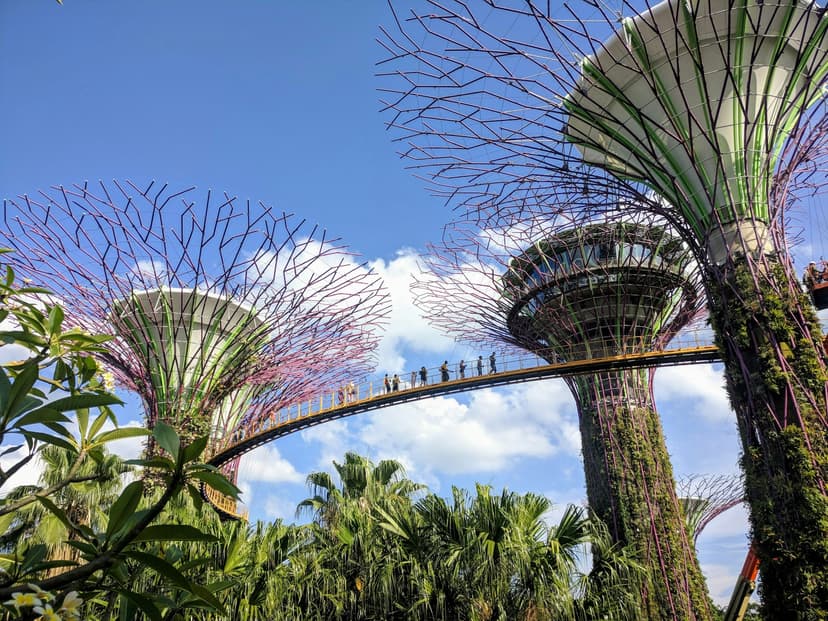
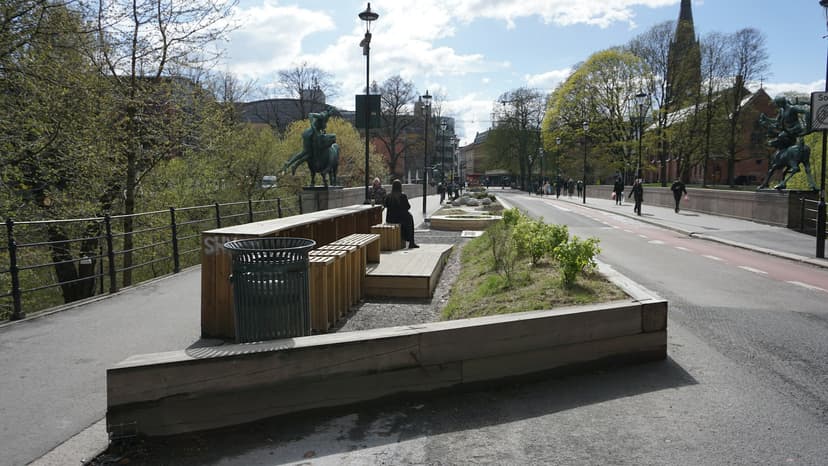
Designing a public space means contemplating the aspects of everyday life in the city. Creating places for gatherings, conflicts, demonstrations, relaxation, and enjoyment. These spaces can be used in many different ways, depending on who interacts with them, and one of the main roles of those who design them is to expand these possibilities and sensations. Including plants, benches, sports facilities, spaces for culture, arts, and performances, conservation areas, or any other element that stands out, is essential to improve the quality of life of the citizens who enjoy these squares and parks. We have selected twenty projects of different scales, ranging from large squares to small interventions, demonstrating that a good design is fundamental to achieving vibrant and dynamic spaces regardless of the size.
Read the full article on Archdaily Recommended by Stephanie Cheung
Mastering Public Space
1 min read

Artist
Yari Miele / INCONOSCIBILE
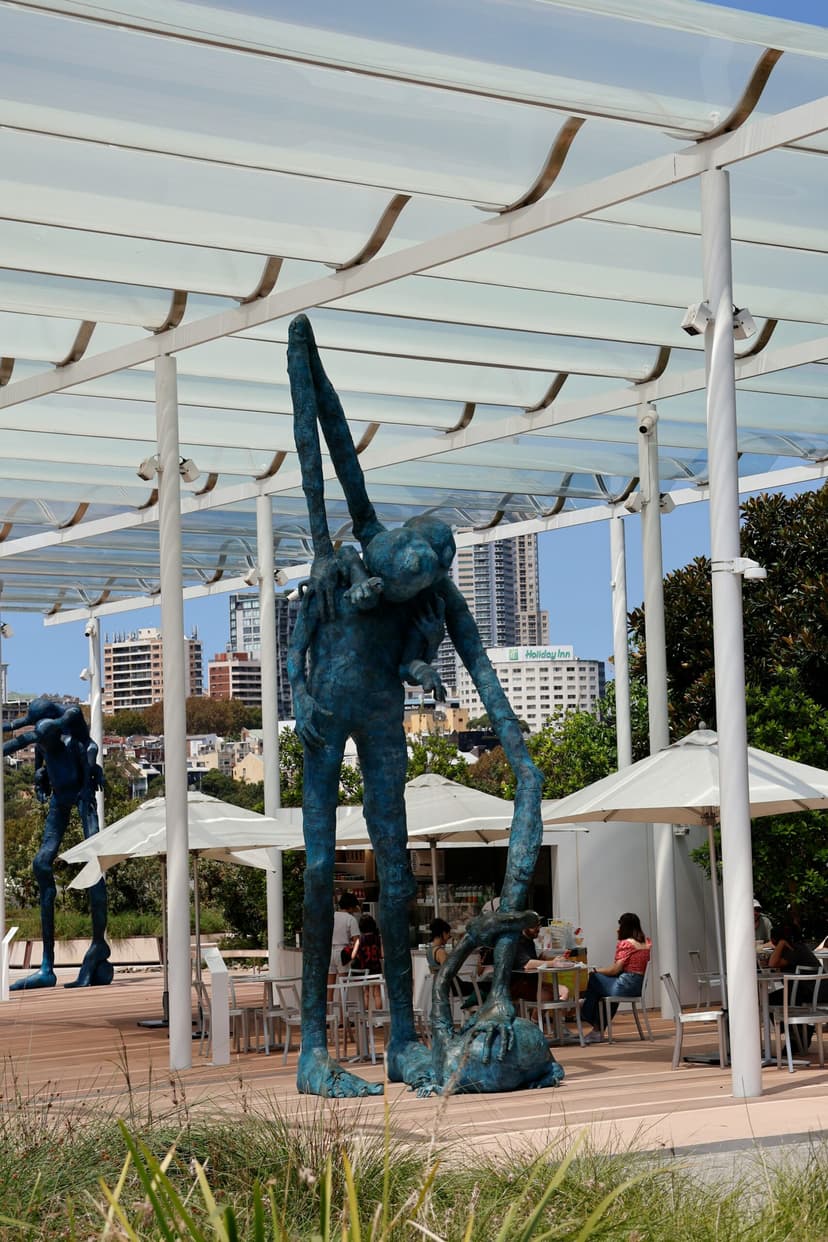
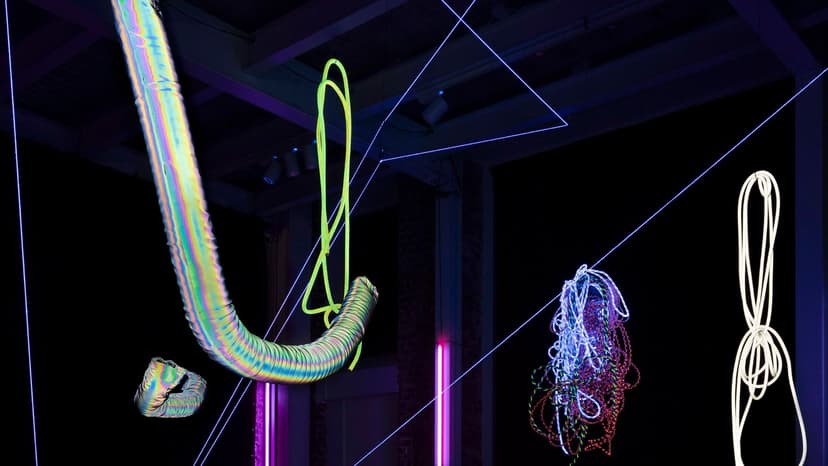
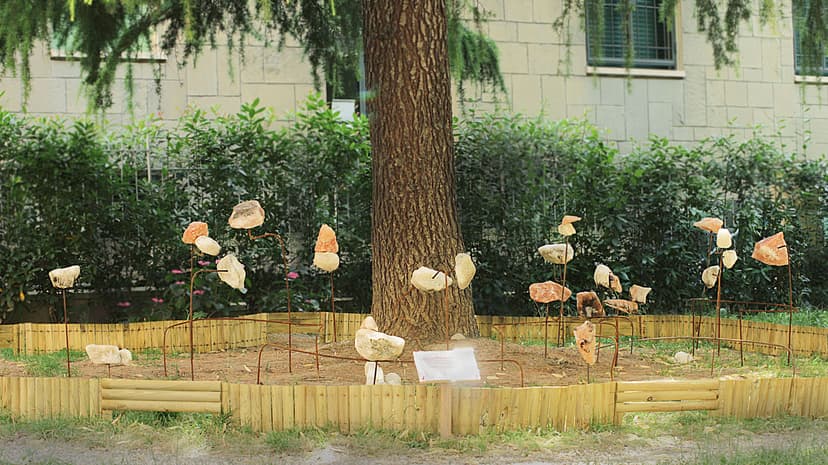
The Italian artist Yari Miele developed a site-specific installation at Museo Spazio Pubblico and a temporary public work at the adjacent public garden on the occasion of Arte Fiera, in February 2023.
Yari Miele, Museo Spazio Pubblico, 2-12 February 2023. Picture by Elettra Giulia Bastoni.
Curatorial statement by Marcello Tedesco,MTN - Museo Temporaneo Navile.
Yari Miele's research is made up of subtle relational links between physical and mental forces, so it perfectly embodies the vocation of Museo Spazio Pubblico to work on the creation of a new way of thinking and mind-set about the city and its spaces, approached in a democratic and inclusive perspective. Places are intended to be both physical and mental, and are conceived for the community and its needs, so that relational exchange and dialogue are favored and encouraged by proximity infrastructures designed by artists and professionals. In this way, art ceases to be a niche phenomenon for the elites and embraces the complexity of public life and the city, creating an unprecedented osmosis.
Light is the medium and the theme through which Yari Miele creates a complex and astonishing chain of relationships between the work, the environment and the public realm. Through reflective fabrics, phosphorescence and fluorescence phenomena, he makes the beauty of a world visible and experienceable, within which all forces are in perfect balance, in an incessant and harmonious dynamism. His work, based on the understanding of how the archetypal forces of light and darkness act, has the power to act profoundly on the imaginary, pushing the observer to accelerate their perceptive processes, towards new territories.
The sculpture in the garden summarizes the artist's tendency to include the observer in the creative process, thus exponentially multiplying the relationship between the work and the environment: suspended between two imposing fir trees, a two-metre volume, modeled in aluminum and covered with a special reflective fabric, is activated by the public when they illuminate it with the torch of their phones.
According to Yari Miele, “the reflection that is created between one's own body, the art work and the surrounding environment sets in motion complex spatial and emotional relationships. My intent is to lead the observer to relate in a new and unexpected way with his own inner world by setting unknowable forces in a transformation process that starts from the individual and reaches the entire social body".
Yari Miele, The Garden of Museo Spazio Pubblico, 4 February 2023. Opening on the occasion of the ART CITY White Night. Picture by Elettra Giulia Bastoni.
Museo Spazio Pubblico
3 min read

Public Space
Global
Urban Planning & Design Theory
Public Space and the New Urban Agenda
The New Urban Agenda is an action-oriented document that mobilizes Member States and other key stakeholders to drive sustainable urban development at the local level.
Globally, the growing attention to public space informed the 23rd Session of the Governing Council of UN-Habitat in 2011, where member states mandated UN-Habitat to consolidate work on public space, develop and promote policy, coordinate efforts, disseminate knowledge, and directly assist cities in public space initiatives. In 2012, UN-Habitat established the Global Programme on Public Space, now working in more than 30 cities.
From 2013 to 2015, the Future of Places (FoP) initiative, created by the Ax:son Johnson Foundation, UN-Habitat, and Project for Public Spaces (PPS), brought together a global network of thinkers, academia, decision-makers, practitioners, UN agencies, media, communities, and the private sector to highlight the transformative power of quality public spaces. Through annual conferences, the initiative demonstrated the commitment of a broad coalition of actors and emphasized the global significance of public space.
The New Urban Agenda represents a shared vision for a better and more sustainable future. If well-planned and well-managed, urbanization can be a powerful tool for sustainable development worldwide. Adopted at Habitat III in Quito, Ecuador, on 20 October 2016, the New Urban Agenda contributes to localizing the 2030 Agenda for Sustainable Development, achieving the Sustainable Development Goals—particularly Goal 11: making cities and human settlements inclusive, safe, resilient, and sustainable.
Public Space Academy
2 min read

Events
Design
Architects
Overview
Economy & Development
Calatrava in Athens. The architect as financier and the iconic city
Today, iconic architecture is the dominant mode of contemporary public life, but the wishes of the European city and role of public space are based on financial emergencies—even if the term ‘financial’ is screened out by the mesmeric distraction of such spectral, prodigal buildings. While iconic architecture parades as visual stunt—an “avant garde” project of the digital image that violently pushes physics and engineering to its limits—such projects are only made possible by giant debt arrangements; and, as I will argue, their primary agenda is to solve serious financial problems. Yet, not only do these projects often fail to generate the future income (fictitious capital) promised and thus leave the town with an impossible 30-year mortgage that might never be repaid, iconic developments also have the power to contribute to distortions of capital (economic crises) beyond the project and the city itself. This essay will examine the Olympic development and iconic objects designed by Santiago Calatrava for the Athens Summer Games in 2004, and the dual Olympic-budget crisis and national crisis that converged on Calatrava’s project. After the games, the Greek Olympic development attracted considerable financial critique from outside the architectural discipline: economists debated how the Olympic development was implicated in the Greek crisis, and a parallel Left protest-movement against Calatrava, the public figure, for financial corruption through iconic projects gained traction. Regardless of the veracity of these arraignments; in Greece, I propose the Olympic development became a visual cipher for the ongoing Greek crisis. Calatrava’s project illustrates the ways in which National crises in Europe today are played out via architectural icons, and the transformation of public space into both a financial medium and narrator of financial crisis.
Vol. 2 No. 1 (2017)
Keywords:
Calatrava, iconic architecture, Greek Olympics, financialisation, moral hazard
The Journal of Public Space
2 min read

Europe
Resisting, Reclaiming and Asserting Democracy in Public Spaces
The Russian invasion of Ukraine reminds us how crucial our public spaces are for democracy. Strong public spaces promote the resistance and resilience of local communities. How can we continue to advocate for better public spaces based on the human need for prosperity, sociability and security, in the days when a new urbicide is taking place in the heart of Europe? Flowery streets and theatrical squares of Ukraine were once symbols of national identity and culture. These places have been suddenly deserted, transformed into spaces of violence. The Independence Square of Kiev – which used to be a place of social gathering and meeting – is now used to allow the passage of tanks. In the midst of this destructive fury, it seems very challenging to continue to promote sustainable cities and public spaces that are suitable to welcome and support our desires of a collective life. With its buildings painted in red, green, yellow, blue, the emblematic Comfort Town District, designed by architecture studio Archimatika and completed only in 2019, illustrates a new vision of the future for the city of Kiev where new forms of public space organisation are possible. Away from car traffic, the public spaces and buildings of this neighbourhood have been metamorphosed in a surreal play of heights and pastel colours. The transformation of this former industrial area into a playful neighbourhood, model of experimentation, has given the world joyful images of children in the street, playgrounds and green spaces between houses, public spaces for sports. The pastel colours, that seem to come out of a storybook, give a glimpse of the desire for a positive and happy coexistence in Ukraine.
Read the full article on aftercovid.city Author: Julia Clement Recommended by Floor van Ditzhuyzen
Mastering Public Space
2 min read